Bow Embroidery 2 Review
As a designer and embroidery product reviewer, I’ve evaluated countless machine embroidery designs. Bow Embroidery 2 stands out for its charm and versatility, but it’s not one-size-fits-all. Let’s break down how this design performs in real-world projects, what to watch for, and where it truly shines.
The First Impression: A Festive, Timeless Shape
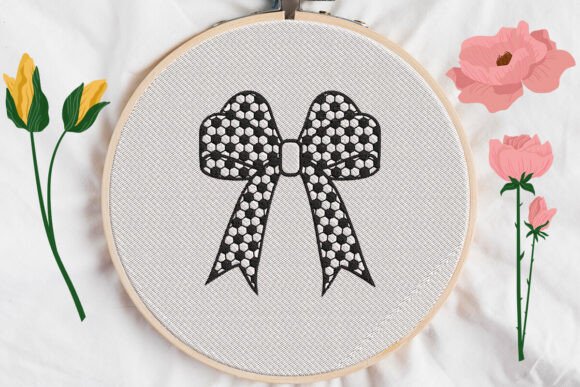
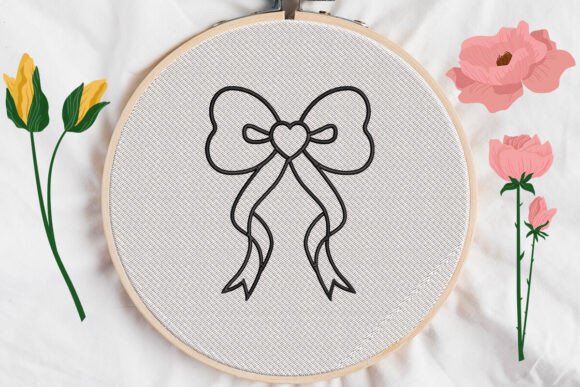
Bow Embroidery 2 immediately evokes a sense of holiday cheer. The design is clean, with soft curves that suggest a classic bow—perfect for Christmas-themed t-shirts or pajama sets. It has a simple yet elegant layout, making it ideal for custom apparel, baby clothes, or small shop merchandise. The shape feels natural, as if it was meant to be stitched onto fabric rather than designed for a screen.
Visually, the design balances detail with simplicity. It’s not overly intricate, which makes it easy to work with on various fabrics. However, the lack of extreme complexity also means it might not appeal to those looking for bold, high-detail embroidery.
Real-World Use Cases: Where It Works Best
For a small business owner or Etsy seller, Bow Embroidery 2 could be a valuable addition to your design library. It fits well on tote bags, sweatshirts, and aprons—items that often see frequent use. Imagine a custom embroidered tote bag with this bow, perfect for holiday shoppers or gift-giving. The design adds a touch of personality without overwhelming the garment.
It also works well on baby items like onesies or blankets. The soft shape is gentle on the eye, and the design doesn’t require too much stitch density, which is great for delicate fabrics. For a craft fair product or boutique item, this design can elevate a handmade product without requiring excessive time or resources.
On the other hand, if you’re planning to use it on a cap or a curved surface, you may need to adjust the hoop size or consider alternative placement. The design’s shape isn’t ideal for tight spaces, so careful planning is necessary.
Stitching Performance: Practical Considerations
When testing Bow Embroidery 2 on different fabrics, the results were generally good. On medium-weight cotton, the stitches lay flat and look crisp. However, on stretchy or thin fabrics, the design might pucker or shift slightly. This is where a proper stabilizer becomes essential.
Thread color contrast is another factor to consider. If you’re using light thread on a dark fabric, the bow may appear faint. Testing the design on both light and dark backgrounds is crucial before finalizing a project. Also, check the stitch density—too dense and it could cause fabric distortion, especially on thinner materials.
For commercial embroidery or large-scale production, make sure the design file is compatible with your machine. While the exact hoop size and file format aren’t specified, it’s always wise to test on scrap fabric first. This helps avoid unexpected issues when working on client orders or bulk items.
Where to Be Cautious: Limitations and Challenges
While Bow Embroidery 2 is versatile, there are scenarios where it may not perform as expected. Small hoop sizes can be problematic, as the design may not fit comfortably. If you’re working on a patch or a small item, you’ll need to ensure the design scales properly.
Textured fabrics or layered garments can also affect the outcome. The design’s smooth lines might not show up as clearly on rougher surfaces. Similarly, if the fabric is too thin or stretchy, the stitching could pull or distort.
For personalized gifts or custom apparel, pay attention to the details. Tiny lettering or decorative accents may not translate well if the design isn’t optimized for those elements. Always review the embroidery file for any potential issues before starting a project.
Impact on Visual Appeal and Customer Perception
When used correctly, Bow Embroidery 2 enhances the visual appeal of a finished product. It adds a festive touch that resonates with holiday shoppers and can increase the perceived value of handmade products. Customers often appreciate the effort put into a well-designed piece, and this design offers a professional look without being overcomplicated.
From a branding perspective, it’s a reliable choice for a small shop product or an Etsy listing. The design aligns with Christmas themes, which can help attract seasonal buyers. It also supports brand consistency, especially if you’re creating a line of holiday-themed items.
For a creative entrepreneur, this design can be part of a printable mockup or digital product preview. It’s useful for showcasing how a finished product would look before committing to a full order. This can improve buyer engagement and reduce the risk of returns due to mismatched expectations.
Designer Notes: Tips for Using Bow Embroidery 2
Before using Bow Embroidery 2 on a project, test it on scrap fabric. This helps you understand how the stitches interact with the material and whether any adjustments are needed. Check the thread colors against the fabric to ensure visibility and harmony.
Review the stitch density to avoid overworking the fabric. Confirm the hoop size required for your machine and consider how the design will look on different garment types. For example, a sweatshirt embroidery may require a larger hoop than a baby onesie.
If you’re planning to sell finished items or digital products, verify the licensing terms. Ensure the design is suitable for both personal and commercial use, and confirm that you can legally resell or distribute the embroidery file.
Finally, always use a proper stabilizer, especially on delicate or stretchy fabrics. This helps maintain the integrity of the design and ensures a polished, professional finish.
Final Thoughts: A Versatile Holiday Design
Bow Embroidery 2 is a practical and appealing design for holiday-themed projects. It works well on a range of items, from tote bags to baby clothes, and can add a touch of festivity to any handmade product. However, like any embroidery design, it requires thoughtful application to achieve the best results.
Whether you're an Etsy seller, a craft business owner, or a hobbyist, this design can be a valuable asset in your collection. Just remember to test it thoroughly, consider the fabric type, and ensure it meets your project’s needs. With the right approach, Bow Embroidery 2 can become a staple in your embroidery workflow.